


Blood Orange Kombucha Recipes
Bright Citrus Kombucha With Jewel-Toned Flavor
Late winter into early spring brings one of citrus season’s prettiest surprises: the blood orange.
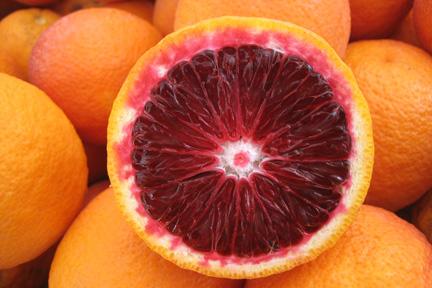
On the outside, it may look like a regular orange with just a hint of blush. But slice it open and suddenly the whole kitchen gets dramatic. Deep ruby juice, sunset-streaked flesh, and a flavor that sits somewhere between orange, raspberry, and tart cherry.
Don’t get it on your shirt.
Blood orange juice makes a gorgeous base for Kombucha flavoring because it brings natural sweetness, citrus acidity, and vivid color all at once. Paired with finished Kombucha, it creates a refreshing, sparkling, seasonal flavor that feels elegant without trying too hard
.
This page includes two favorite Blood Orange Kombucha recipes:
Blood Orange Italian Soda Kombucha
Rock The Casbah Blood Orange Kombucha
Both are simple, fresh, and perfect for second fermentation.
Quick Summary: Blood Orange Kombucha
Blood Orange Kombucha is one of the easiest seasonal citrus flavors to make.
- Blood orange juice adds color, sweetness, and acidity
- Citrus supports bright flavor in second fermentation
- The natural sugars help build carbonation
- Herbs and spices pair beautifully with blood orange
- The result is tart, bubbly, refreshing, and visually stunning
Why Blood Orange Works So Well With Kombucha
Kombucha already has a sweet-tart profile, which makes citrus one of its best flavor partners.
Blood orange adds:
- Juicy citrus flavor
- A slightly berry-like finish
- Natural sweetness
- Ruby red color
- Enough sugar to support carbonation
Compared with regular orange juice, blood orange brings more depth and less simple sweetness. It feels a little more grown-up, a little more mysterious, and a little less “breakfast juice.”
Blood orange is one of those fruits that makes Kombucha look fancy with almost no effort. The fruit does the costume change… We just provide the bubbles.
What Gives Blood Oranges Their Red Color?
The dramatic red color of blood oranges comes from anthocyanins, a group of flavonoid pigments also found in foods like cherries, blueberries, and red cabbage. This specific group of flavonoids boasts a host of powerful health benefits that are transferred into your Kombucha – and possibly even enhanced – during the fermentation process.
According to a 2021 Study: “Anthocyanins are the coloured compounds largely found in nature, for which evidence indicates that their regular consumption offers several health benefits to human health, mainly due to their ability to reduce free radicals, reactive species, and pro-inflammatory markers.”
This means you’re getting WAY more value, healthwise, than you would with a regular orange!
Most oranges do not develop that same deep red color because blood oranges carry specific genetic traits that allow anthocyanin pigments to form.
Temperature plays a role too. Blood oranges develop the richest color when grown in regions with warm days and cool nights. That daily temperature swing encourages the pigments to deepen.
This is why some blood oranges are almost burgundy inside while others are only lightly streaked with red.
Blood Orange Varieties
One thing that many people don’t know is that blood oranges don’t just come in one variety.
There are several types of blood oranges, all of them with slightly different flavor qualities, but three are especially well known:

Moro
Moro blood oranges are often the deepest red and the tartest of the major varieties. They originated in Italy and can produce intensely colored juice.
Best for: bold color, tart citrus flavor, dramatic Kombucha.
Sanguinello
Sanguinello blood oranges originated in Spain and usually arrive later in the season. They tend to have tender flesh and a sweeter profile.
Best for: balanced sweetness and smooth citrus flavor.
Tarocco
Tarocco blood oranges are often considered one of the most prized varieties because of their rich, sweet flavor. They are usually lighter in color than Moro oranges but beautifully aromatic.
Best for: sweet, elegant, highly drinkable Kombucha.
Blood Oranges: Quick Facts
- Oranges originated in Southeast Asia.
- Blood oranges may have evolved independently in both China and the Mediterranean.
- The strong Arab presence during the ninth and tenth centuries helped spread orange cultivation throughout the Mediterranean.
- Oranges were an important commodity in the Roman Empire.
- Two specific gene mutations help regular orange trees express blood orange pigmentation.
- California, Texas, and Florida are major blood orange producers in the United States.
- The most colorful blood oranges usually come from areas with hot days and cold nights.
- Blood oranges from warmer climates may be less deeply red because cooler nights help pigment development.
Kombucha Mamma Sez: A woman in California once called the police claiming her neighbors had tainted her Valencia oranges with blood. After scientific investigation, it turned out the orange tree had experienced a mutation that caused some of the fruit to express red anthocyanin pigments. Nature loves a plot twist.
Basic Blood Orange Kombucha Recipe
Let’s start with the base Kombucha flavor and then we’ll move on to some more complex varieties that incorporate spices and other elements to create some of our favorite citrus-inspired flavors like: Blood Orange Italian Soda and Rock The Casbah Blood Orange Kombucha.
For One 16 oz Bottle
- Juice of ½ blood orange
- 16 oz finished Kombucha
Instructions
- Add blood orange juice to a clean bottle.
- Fill with finished Kombucha.
- Seal with a pressure-safe cap.
- Ferment at room temperature for 2-3 days.
- Refrigerate once bubbly and flavorful.
- Open carefully and enjoy cold.


Bubbles Plus
Join Bubbles+ to access a growing library of premium recipes, brewing guides, fermentation classes, seasonal inspiration, and members-only resources from the world’s most trusted Kombucha educators.
Already a Member? Log In Here.






DAISY Lopez
October 21, 2023 at 4:22 amGreat comments. Can we blend the fruit of a puree or is it better in chunks?
Anthea Tayag
October 23, 2023 at 2:31 pmYou can do either, this is more about preference. As always, we recommend what ever is available and easiest.
Bianca
August 2, 2022 at 3:32 pmThis may be a silly question… but are y’all adding the juice to a glass and mixing with finished Kombucha? Or using the juice with the Scooby instead of tea?
Thanks for the ideas!
Anthea Tayag
August 5, 2022 at 10:24 amWe do not recommend flavoring the SCOBY directly, flavoring should be done after the SCOBY and starter liquid have been removed for the next batch. From there, you may add the juice to the Kombucha tea. Alternatively, fruit can be added directly to the Kombucha tea for a couple of days depending on your preferred flavor strength. Afterwards strain out the fruit flavoring and enjoy!
Heidi
March 19, 2014 at 7:53 amHello!are the above recipes for 16oz? I make gallon jars of kombucha how much would I add to mine to create the taste in your recipes? Thanksso much I can’t wait to try them all!!!
Hannah Crum
March 23, 2014 at 6:25 pmYes, the measurements are for 16oz bottles. 1 cup of fruit or juice is a good place to start for a gallon size batch. Adjust up and down from there based on taste.
Nicky V
June 15, 2013 at 10:49 amLove these receipes! Do drink it right away after adding the orange juice– or do a second ferment (cap and reseal the kombucha and store it in the cabinet for 5 to 7 days)
Nikki
May 27, 2013 at 9:29 am(That was a 32 oz. bottle)
Nikki
May 27, 2013 at 9:28 amI used juice from 2 blood oranges and a chopped up apricot for one of my first flavoring attempts. It was delicious. 🙂
Betty Durmeier
April 7, 2013 at 6:53 pmWhen my kombucha is ready I put it in fruit jars and I cut up apples, not peeled, pineapple strawberries, grapes…(what ever fruit I have) and lately I have added some Welches grape juice,in a jar or two,,,, put in fridge. and drink and enjoy the fruit all thru the day,,I love it!!
jim
March 6, 2013 at 7:27 pmWant more fizz in your bucha. Try pineapple,it supercharges it also had great fizz with raspberrys. I love ginger; correander is also very good
Elly L.
September 12, 2012 at 12:52 pmI’m so sorry for asking a stupid question but just to clarify, is this soda or kombucha? Are you using these interchangeably for this blog? Thanks!
Hannah Crum
September 19, 2012 at 4:14 pmAll of these recipes are for making flavored Kombucha.
Gay
May 24, 2012 at 11:18 pmCan’t wait to try it with Blood Orange. Your warning about the juice staining made me laugh. When my daughter was younger we were over at a friend’s house who had a blood orange tree. The kids were throwing them at each other. They looked horrible, all bloodied up, and the white trim on the house was all “bloody” too!
Marsha
May 20, 2012 at 4:21 pmCorrection: Meyer lemon juice. This was added to 16 oz of kombucha.
Marsha
May 20, 2012 at 4:19 pmI brewed my second batch of kombucha using Herbescent Jungle Fruit Green Tea. Then I flavored it with 2 Tbsp. Meyer lemon, 1/2 tsp. fresh ginger and 1 tsp.Truvia. It was very pleasant and mild flavored.
Holly
March 23, 2012 at 2:55 pmI flavored my very first batch of kombucha with blood orange, and it was delightful!
Karen
March 15, 2012 at 9:29 amTry Orange juice, some orange zest and fresh mint, yummy!! Also berry, orange zest and ginger. Make your kombucha batch with organic coconut assam tea, wow fantastic! I am having so much fun!! I have made so flavors and I just started!!
hannah
March 15, 2012 at 12:46 pmMmm – those sound like great combos!
Amanda Englund via Facebook
March 14, 2012 at 9:47 amholy Toledo those sound great! i’ve been thinking about making blood orange booch…thanks for the recipe ideas!
NaturallyMariam
March 14, 2012 at 9:35 amI was just planning on flavoring my kombucha with blood orange once its ready. Blood orange is one of my favorite citrus. I planning a blood orange and a blood orange, turmeric blend.
hannah
March 15, 2012 at 1:11 amMmm, the blood orange-turmeric combo sounds both delicious and healing. A turmeric recipe is coming soon!
Julie Anderson
March 14, 2012 at 9:31 amMy current favorite flavor is Lemon juice and vanilla. My next bottle is an experiment with lemon juice and cinnamon. Lemon and giner is alos good.
I’ve had a great source of free, organic lemons, hence the emphasis on lemon juice.
hannah
March 15, 2012 at 1:12 amI love using fruit in season – especially when it comes from a friend’s tree or yard!