Kombucha Myths: Fact vs Fiction (2025 Ultimate Guide)
Debunking the most common questions, rumors, misconceptions, and half-truths about Kombucha — so you can brew confidently, drink happily, and trust your gut (literally).
⭐ Why This Page Matters
Kombucha has been brewed for thousands of years — but in the age of TikTok, Reddit, and rapid-fire misinformation, mythology spreads faster than a SCOBY in summer.
This guide exists because:
New brewers deserve clarity, not confusion
Curious drinkers deserve facts, not fear
And Kombucha deserves accurate representation, not internet horror stories
Below is the definitive 2025 mythbusting resource — fully updated, science-supported, and grounded in Kombucha Kamp’s 20 years of brewing expertise.
Each myth is paired with:
The truth
A simple explanation
When needed, a deeper dive
Internal links to related guides
And tips for safer, happier brewing
Let’s get to the good stuff.
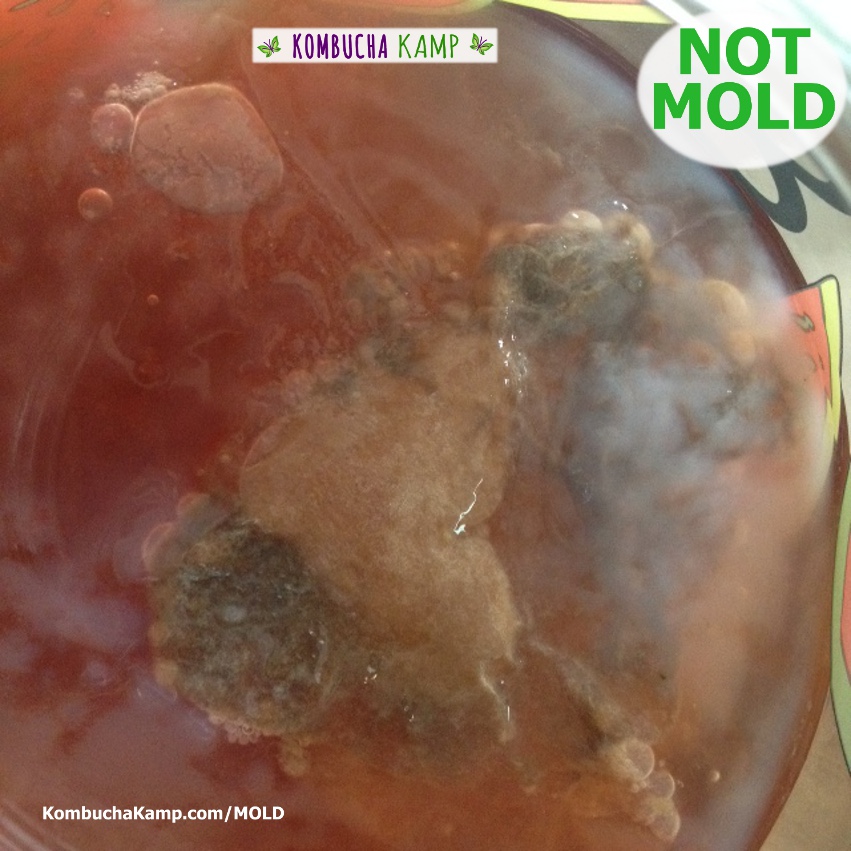
Myth #1: Kombucha Contains Mold
❌ The Myth
“Kombucha grows mold because it’s fermented.”
✅ The Fact
Real Kombucha almost never molds.
Mold only grows under:
too-low temperature
not enough starter liquid
contaminated equipment
incorrect ingredients
Many common formations are completely natural to SCOBY formation but look deceptively like mold!
The good news?
Kombucha protects itself with acidity, healthy bacteria, and organic acids that mold cannot survive in.
Myth #2: Kombucha Is Alcoholic (In a Dangerous Way)
❌ The Myth
“Kombucha is basically booze.”
✅ The Fact
All fermented foods produce trace alcohol. That is just part of the process and is true to some degree for every fermented food item in existence. While there are new, patented methods that commercial Kombucha brewers use to reduce even further the amount of alcohol produced during the fermentation process, the process that humanity has relied upon for thousands of years has proven over the millennia to be the one that is simplest, makes fermentation accessible to everyone, and is incredibly beneficial to human health.
In reality, homebrewed Kombucha typically ranges 0.3%–1% depending on:
temperature
sugar
ingredients
fermentation duration
This is nowhere near alcoholic beverages and is metabolized quickly. The fact is… you would have to consume a near heroic quantity of the standard home brewed Kombucha to get anywhere near the effect of a single shot of alcohol or a beer. So let’s call this myth “fear mongering”.
“Kombucha can make you sick or damage your organs.”
✅ The Fact
Most people tolerate Kombucha exceedingly well.
Temporary adjustments (the Herxheimer effect) can happen when gut flora shifts — but in most instances it’s not “dangerous”… it’s just your body recalibrating. Of course, if you have any specific health issued about which you are concerned, you should always refer to your trusted medical professional before implementing any dietary changes or adding anything to your existing diet. (We know most people won’t. We have to say this while providing you with the info you need to make an informed decision.)
Worried about safety?
We have an entire medically-informed guide for both you and your physician:
This rumor resurfaces every few years — usually referencing one unverified case from the 1990s. (Most likely linked to the vessel she used to brew being glazed with a lead-based paint rather than the food-safe glazes our vessel artisan handcrafts.)
✅ The Fact
No scientific evidence links Kombucha — properly brewed — to fatal outcomes.
Bad brewing hygiene? That’s another story.
Kombucha Kamp has taught hundreds of thousands of brewers safely over 20 years with zero incidents of severe illness, let alone death.
Follow the instructions and proper food-safety guidelines (all of which you can find conveniently on our website) and you and your brew will thrive!
Myth #5: Kombucha Is Just Sugary Tea
❌ The Myth
“Kombucha is sugar water with marketing.”
✅ The Fact
Look… there is a lot of fear-mongering around the sugar content of Kombucha. And with so much misinformation out there, it makes sense! But at Kombucha Kamp we always make sure to tell our Kampers: The Sugar is for the Microbes… Not for You!
The fermentation process requires sugars from beginning to end because these sugars provide the living, symbiotic culture of bacteria and yeast the fuel they need to thrive!
The SCOBY transforms sugar + tea into:
healthy acids
probiotics
enzymes
polyphenols
antioxidants
B vitamins
glucuronic acid
It’s chemically nothing like the sweet tea you start with.
I mean… it totally can be, but it all comes down to you, Dear Reader.
On its own, fermentation reduces sugar drastically.
Most finished Kombucha contains:
1–6g sugar per serving vs
40g in soda
You can brew it as dry or sweet as you want. It’s really up to your preference.
Check out our full How To Brew Kombucha Guide for more details on fermentation time and its impact on the sweetness of your brew.
Myth #7: Kids Shouldn’t Drink Kombucha
❌ The Myth
“Kombucha is unsafe for children.”
✅ The Fact
Kids have safely consumed Kombucha for millennia as part of traditional household ferments.
Start with:
small servings
mild flavors
no over-carbonated bottles
sugar-free second ferments if needed
Parents know their children best — Kombucha is simply another fermented food.
Myth #8: Kombucha Is Unsafe During Pregnancy
❌ The Myth
“Pregnant people should avoid Kombucha entirely.”
✅ The Fact
Most midwives and integrative practitioners consider homemade Kombucha safe if the person was already drinking it before pregnancy.
If starting new, it’s best to consult a care provider.
We’ve written a short article with additional information to help you make the best decision for you and your baby. Check that our here.
Myth #9: A SCOBY Is a Mushroom
❌ The Myth
“Kombucha is a mushroom tea.”
❌ Also False
A SCOBY is not:
a mushroom
a fungus
a jellyfish
an alien placenta (yes, people say this.)
✅ The Fact
It’s a Symbiotic Culture Of Bacteria & Yeast, similar to:
sourdough starter
yogurt cultures
kefir grains
And yes… Yeast is a fungus. But it’s a far cry from Mars, if you ask us.
Myth #10: SCOBYs Are Gross
❌ The Myth
“The SCOBY looks disgusting — it must be unsafe.”
✅ The Fact
The human body is comprised of approximately 38 TRILLION bacteria. Just like all organisms, there are “good” ones and “bad” ones. Fermented foods are eaten specifically because they help to both nourish our existing bacterial spread while simultaneously increasing the diversity of good bacteria present to help fight off overgrowth of harmful microbes. Your body is an ecosystem!
SCOBYs look weird if you’ve never seen fermented foods, but they’re:
harmless
self-regulating
incredibly resilient
packed with beneficial compounds
If you’ve ever eaten kimchi, pickles, sourdough, miso, yogurt, or kefir — you’ve consumed microbial cultures.
Myth #11: Kombucha Must Be Refrigerated
❌ The Myth
“Leaving Kombucha out will poison you.”
✅ The Fact
Unflavored Kombucha is shelf-stable for long periods at room temperature.
Refrigeration reduces fermentation speed, especially after bottling.
Only second-ferment (carbonated) bottles require caution so they don’t over-pressurize. (We call these “bottle bombs”… and we’ve written a guide to help you avoid them. Check it out here.)
Myth #12: Kombucha Always Carbonates
❌ The Myth
“Kombucha should always be fizzy.”
✅ The Reality
Fizzy Kombucha is a second fermentation outcome — not a requirement.
Nope — you can grow one from raw, unflavored store-bought Kombucha.
BUT…
🚨 Important:
Not all brands work.
Pasteurization kills cultures.
Flavorings inhibit SCOBY formation.
At Kombucha Kamp, we are huge proponents for always purchasing your first SCOBY to ensure that you are receiving a strong, healthy starter. Our SCOBYs (available separately or in every brewing kit) are DNA-sequenced and trusted by hundreds of thousands of home brewers and commercial brewers worldwide. And with every single new, healthy batch of Kombucha… you get a brand new SCOBY. No hassle. No guesswork. No waiting on the good stuff.
“Kombucha cures all diseases, depression, acne, IBS, and existential dread.”
❌ The Reality
Kombucha is wonderful and, while we would love to be able to report to you that it is the fountain of life, the Philosopher’s Stone, or the key to everlasting youth — it is not a magic pill or a pharmaceutical.
✅ The Fact
Kombucha is best understood as:
a tonic
a digestive support
a wellness drink
an antioxidant-rich fermented tea
It enhances health but doesn’t replace medical care. And it is one of the many wonderful, tasty ways of incorporating the health-promoting powers of fermented foods into your every day diet… something that is lacking in the Standard American Diet (S.A.D.) The benefits of maintaining a healthy, diverse gut microbiome are numerous and an often understated foundational key to a higher quality of life.
Myth #15: You Can Use Any Tea to brew kombucha
❌ The Myth
“Herbal tea is fine.”
✅ The Fact
Herbal infusions lack the nutrients the SCOBY needs.
You ALWAYS want backups. You never know when the unexpected might happen: a broken jar with a glass-filled SCOBY, an overly curious furry friend, a spot of mold. It’s always best to have a backup and a SCOBY Hotel is a low-maintenance way to ensure you’ll always have a fresh batch of ‘booch within arm’s reach.
Kombucha predates hippies and hipsters by 2,000 years… possibly more! (Although we think you’re pretty hip if you continue to carry on the legacy of our ancestors through this fun and functional craft!)
By brewing Kombucha, you are participating in an ancient tradition that extends back to the very first time humans preserved food.
Ready to Brew the Real Thing?
Hopefully you now have the confidence to move forward and take your knowledge to the kitchen! This FAQ will be continuously updated as new questions and strange new topics come up, so be sure to bookmark this page and check back regularly to find out something new! You can also follow us across all social media accounts @KombuchaKamp to stay up to date on everything that’s late and breaking in the world of fermentation.



 family-owned
 over 5,000
  100,000+ happy
  exceptional
  only fresh living
  lots of free articles,