A Practical 2026 Quick Guide (With Real-World Fermentation Rules)
Sugar is essential to brewing Kombucha Tea.
These days, we are hyper-aware of sugar and consider it to be “bad.” However, as you know from drinking Kombucha, the sugar is not for YOU but rather it is a fuel source for the SCOBY. There is a beautiful alchemy that occurs wherein the Kombucha culture transforms sugar, which is toxic to the human organism in large quantities, and converts it into healthy acids.
However, when it comes to ‘booch, here’s the part most internet articles skip:
The best sugar is the one that ferments predictably, supports a healthy culture, and produces the flavor you like.
Consider this page your guide to the most common sugars people use for Kombucha brewing — what works, what’s “fine but finicky,” and what’s not worth the trouble.
If you’re already brewing and need to know exactly how, head to our Step-By-Step Guide to Brewing Kombucha for the most in-depth instructions available online.
The Big Truth: Does Sugar “Remain” in Kombucha?
During fermentation, much of the sugar is consumed, but not all of it disappears. How much remains depends on:
how long you ferment
your temperature
starter strength
tea strength
your culture activity
So instead of obsessing over “what sugar is healthiest,” focus on:
✅ using a sugar your culture ferments well
✅ brewing safely
✅ fermenting to your preferred taste
If you want less residual sugar, you typically ferment longer (and accept a tangier brew). Some people love just a bit more tartness to their final brew, but others prefer a sweeter brew. This is entirely within your control but you must remember that the amount of sugar you end up consuming in the final product is directly proportional to flavor and fermentation time. That’s just the reality of the situation.
The Best Sugars for Kombucha (Most Reliable)
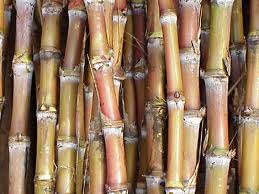
1) Organic Cane Sugar (White)
Best all-around choice.
Why it works:
ferments predictably
clean flavor
supports stable SCOBY growth
widely available
Use this if you want the most consistent results, especially as a beginner. We always select organic cane sugars as the pesticides and other harmful chemicals that may be present in standard industrial cane sugar can impact the health of your culture and, ultimately, the flavor of your brew.
2) Standard White Sugar
Also works well, though many brewers prefer organic when possible.
Why it’s fine:
highly fermentable
easy for microbes to metabolize
consistent carbonation outcomes
If you’re brewing at scale, this is a common “workhorse” option. And no – there isn’t a problem with substituting this in if you are okay without the organic label. At the end of the day, this is an inexpensive option for getting a brew that is healthy for you either way. You must choose what is right for you, your family, and your budget.
Great Alternatives (Flavor + Minerals)
3) Evaporated Cane Juice / Turbinado
Often marketed as “less refined.” In practice, it behaves similarly to cane sugar, with slightly more flavor.
Pros:
richer taste
still very fermentable
Cons:
can darken your Kombucha
may slightly increase yeast activity
Great choice if you want a warmer, rounder flavor.
4) Brown Sugar
Yes, you can brew with it — and it can be delicious.
Pros:
deeper caramel notes
produces a darker Kombucha
Cons:
can encourage stronger yeast activity
may produce more sediment
flavor isn’t as “classic Kombucha”
If you use brown sugar, keep an eye on yeast load and taste earlier. We’d recommend this sugar for more experienced brewers looking to expand their flavor profiles and experiment with different combinations of flavoring ingredients.
5) Raw Sugar / Demerara
Similar to turbinado with a slightly different profile.
Pros:
nice flavor depth
generally ferments well
Cons:
can vary by brand
sometimes produces more “funk” (not bad, just different)
Advanced Sugars (Use Carefully)
These can work, but they are more variable and can stress your culture if used improperly.
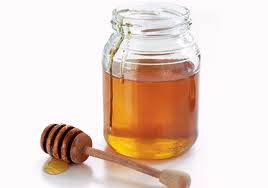
6) Honey (Jun Brewing)
If you’re brewing Jun, honey is the traditional sugar.
Notes:
Jun is a different fermentation rhythm than Kombucha
honey composition varies a lot
some honeys ferment aggressively
If you’re using honey, consider brewing Jun as its own lane rather than “Kombucha with honey.” You will get far better, smoother results and can find out why they call Jun the “champagne of Kombucha“.
more mineral content can change fermentation behavior
can be less predictable for carbonation
If you want to experiment, start with a blend:
50% cane sugar + 50% coconut sugar
8) Maple Syrup
Possible, but not ideal for beginners.
Pros:
interesting flavor
fun seasonal experiment
Cons:
variable composition
more expensive
can ferment unpredictably
may increase carbonation volatility
If using maple syrup, go slow and watch your second ferment.
9) Molasses / Blackstrap
This is powerful stuff… minerals + intense flavor.
It can be used in small amounts, but:
too much can overwhelm your SCOBY
can create off flavors
can cause yeast imbalance
If you use blackstrap, treat it as an accent:
10–25% of total sugar max
rest cane sugar for stability
Sugars We Don’t Recommend (For Kombucha Brewing)
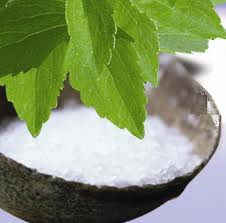
Artificial sweeteners (stevia, sucralose, monk fruit alone)
These don’t feed the culture. Fermentation will stall or behave oddly.
Sugar alcohols (erythritol, xylitol)
Not ferment fuel for Kombucha, and can cause digestive issues for some people.
“No sugar Kombucha”
No sugar = no fermentation. The SCOBY needs real fermentable sugars to function.
How Much Sugar Should You Use?
A common baseline is:
¾ – 1 cup sugar per 1 gallon (3.8L) of tea
That’s not a moral statement, it’s a fermentation reality.
You can adjust slightly depending on:
your taste goal
temperature
fermentation time
tea strength
But extreme reductions can lead to:
weak ferments
stressed cultures
inconsistent results
If you want a drier brew, the best path is usually to ferment longer, not “starve the SCOBY.”
Choosing the Right Sugar (Quick Decision Guide)
If you want the easiest, most reliable brew:
✅ organic cane sugar (or standard white sugar)
If you want richer flavor:
✅ turbinado / brown sugar / demerara
If you want to experiment:
✅ coconut sugar blend
✅ small amounts of molasses
✅ maple syrup (carefully)
If you want Jun:
✅ honey (separate Jun method)
FAQs About Sugar in Kombucha
What is the best sugar for brewing Kombucha?
Organic cane sugar (or standard white sugar) is the most reliable and consistent choice for healthy fermentation.
Can I brew Kombucha with honey?
Honey is typically used for Jun rather than traditional Kombucha. It can work, but it ferments differently and is more variable.
Can I brew Kombucha with coconut sugar?
Yes, but it can be less predictable and may change flavor and yeast activity. Many brewers start by blending it with cane sugar.
Does Kombucha still contain sugar after fermentation?
Often yes. Fermentation reduces sugar over time, but the final amount depends on fermentation length, temperature, and culture activity.
Can I make Kombucha without sugar?
Not successfully. The SCOBY needs fermentable sugar to produce acids and maintain a healthy culture.
Does the type of sugar affect carbonation?
Yes. More residual sugar at bottling can produce faster carbonation and more pressure. Sugar choice can also affect yeast behavior.
Final Thoughts
Sugar isn’t the enemy — it’s the foundation upon which fermentation is built.
When you brew Kombucha, you’re not “drinking sugar.” You’re feeding a culture so it can transform sweet tea into something tangy, functional, and alive.
Start simple. Brew consistently. Taste often.
And if you want to experiment with alternative sugars, do it strategically so you get the fun without the chaos.




 family-owned
 over 5,000
  100,000+ happy
  exceptional
  only fresh living
  lots of free articles,